30/06/2026
On June 25, Fundación Pablo VI of Madrid hosted the celebration of the 36th Agers Congress, one of the key events for risk management and insurance professionals in Spain. Under the slogan “Where risks and strategy meet”, the meeting brought together managers, risk managers, insurers, brokers, and industry experts to reflect on the main challenges organizations face in an increasingly complex and uncertain environment.
The workshop kicked off with an institutional welcome from Agers and a few words from president Luis Lancha, who highlighted how discipline was evolving toward being seen as an increasingly strategic approach. During the opening, the work of the association’s Advisory Board was also highlighted, as was Bosco Francoy’s contribution in leading this advisory body.
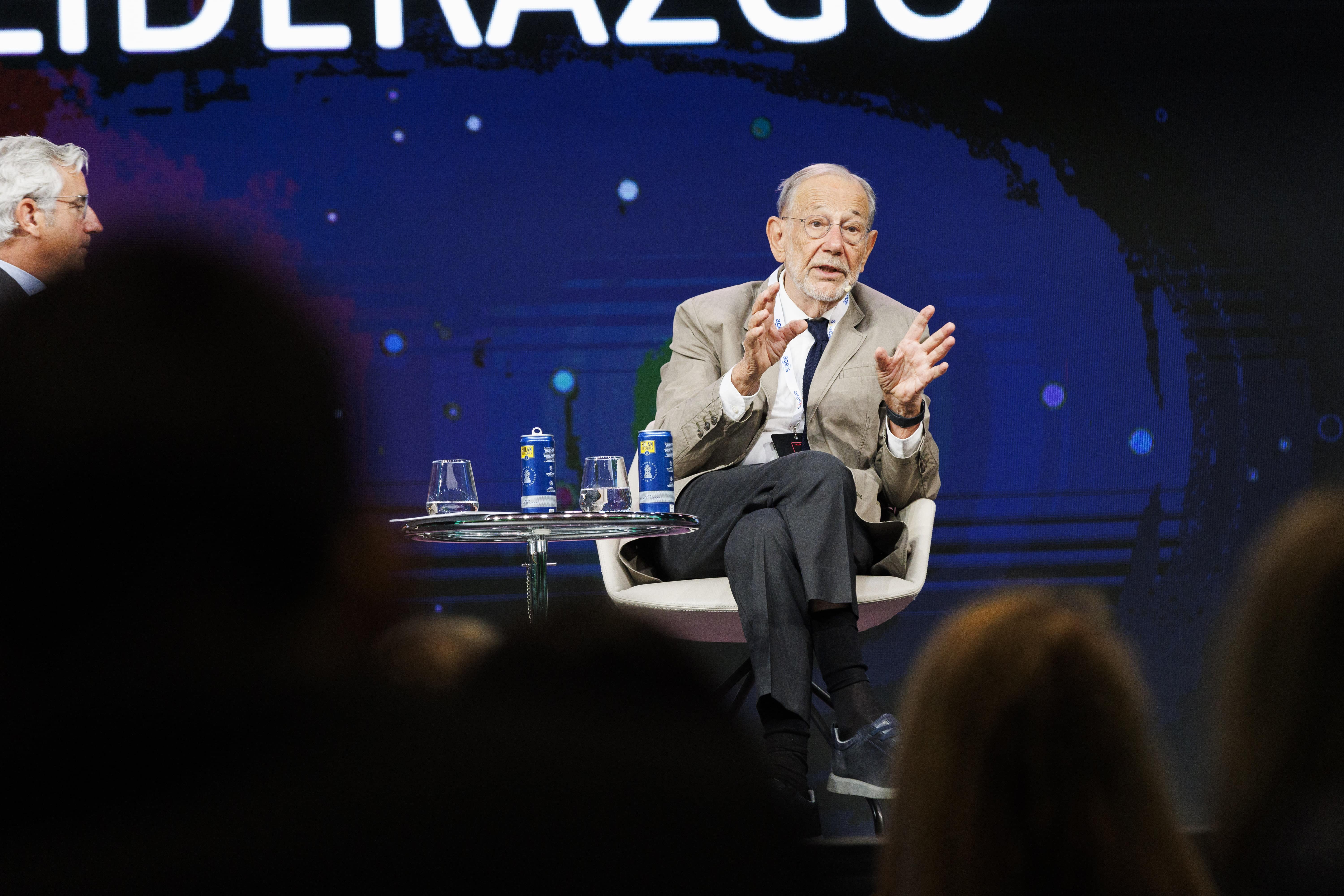
One of the highlights of the morning was the conversation between Javier Solana, former NATO Secretary General and former European Union High Representative for the Common Foreign and Security Policy, and Paulino Fajardo, partner at Herbert Smith Freehills and member of the FERMA Foresight Committee. The exchange offered a privileged overview of the current geopolitical context, Europe’s role in the new international scenario, and the implications for enterprise risk management.
The CEO at the Crossroads panel: risk and strategy also sparked great interest. Moderated by Luis Lancha, with the participation of Jorge Sendagorta, CEO of SENER, and Borja Vázquez, chairman and co-founder of Scalpers. Both shared their experiences of decision-making in uncertain environments and offered complementary insights on risk as an inherent element of business growth and business innovation.
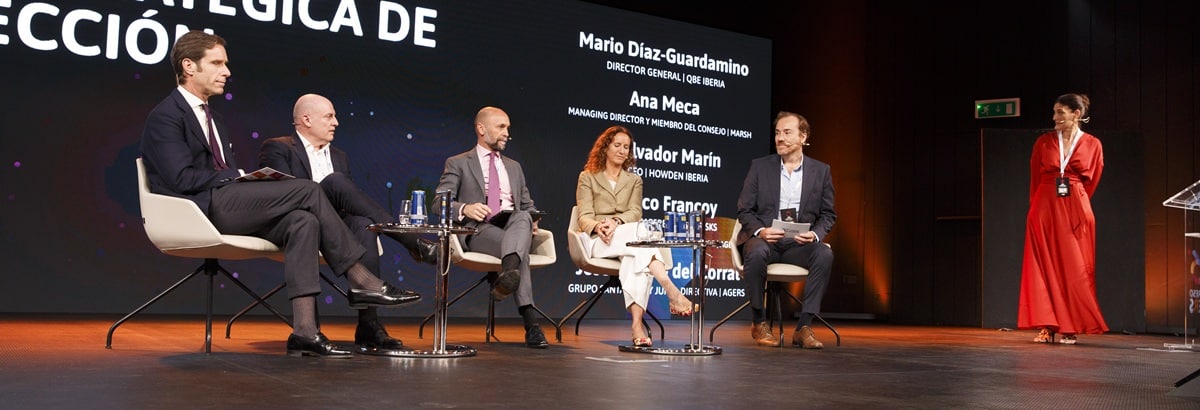
Next up on the program was a roundtable discussion titled The strategic view of senior management, which featured Mapfre Global Risks CEO, Bosco Francoy. Alongside Salvador Marín (Howden Iberia & Northern Europe), Ana Meca (Marsh Spain), and Mario Díaz-Guardamino (QBE Iberia). Under discussion was the role that insurers, brokers, and risk managers must play in defining the corporate strategy.
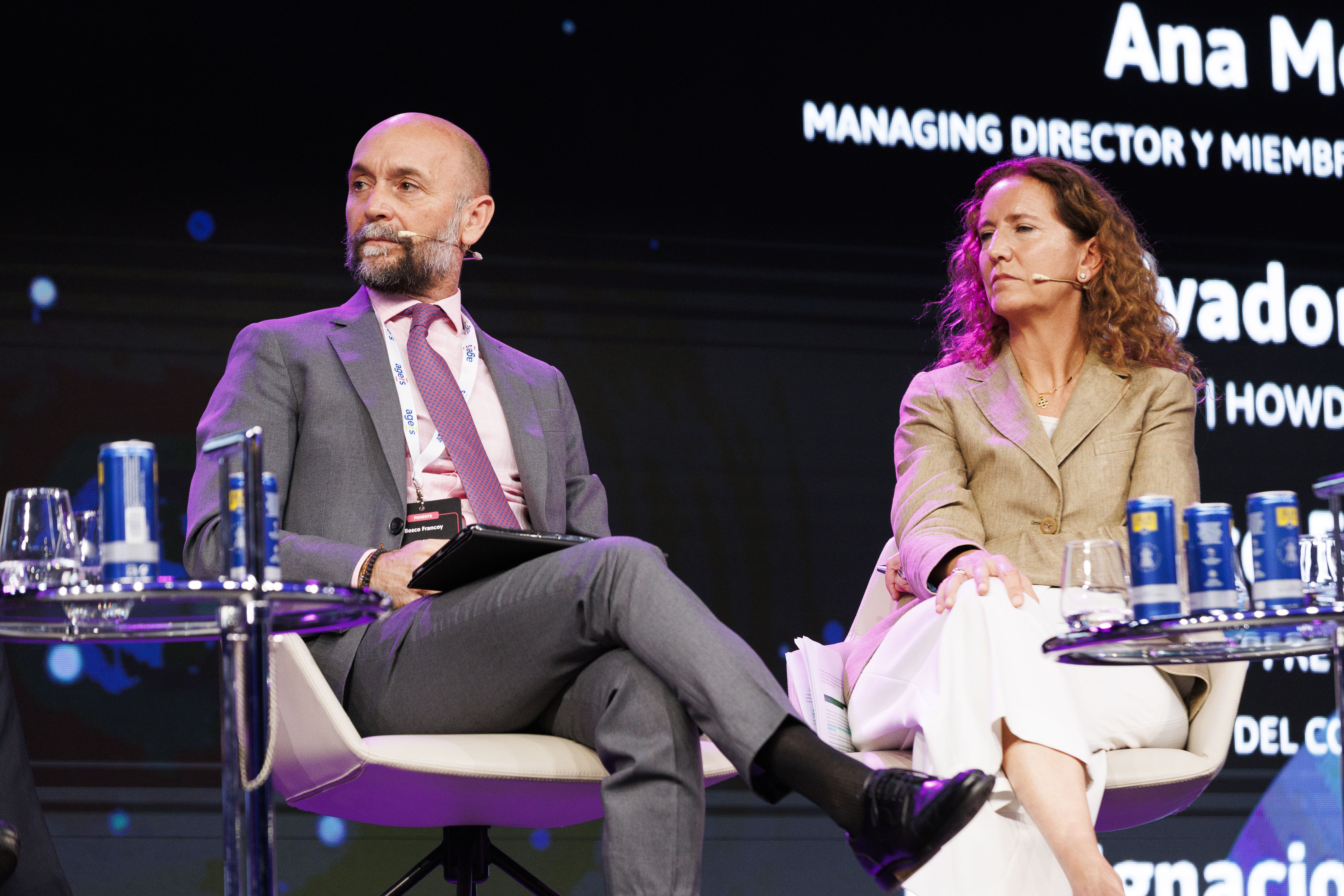
During his contribution, Bosco Francoy defended the need to evolve the traditional role of risk management and place it at the center of decision-making. In his words, “the focus of the risk manager has to change. It’s no longer enough to just talk about risks, we need to talk about making decisions. It’s not about where you position the function on an organizational chart, it’s all about how the function contributes to better decision-making. For Francoy, the relevance of this function doesn’t depend on its hierarchical position, but more on its ability to provide strategic value to the organization.
Francoy also emphasized the importance of promoting a genuine risk culture from senior management level down: “The big challenge is how to transfer that risk culture to the business community and to the shareholders.”
Another topic addressed was the impact of artificial intelligence (AI) on business management. The CEO of Mapfre Global Risks notes that “AI supposes an absolutely transformational change that we’ll all experience, whether we want to or not.” He argued that AI should be used to complement and improve decision-making, not replace it. Likewise, he highlighted that AI will allow for better data analysis and will contribute to organizations making more informed and effective decisions.
In addition to the plenary sessions, the congress included spaces dedicated to interdepartmental collaboration, corporate governance, internal audit, and the training of new generations of professionals, with figures such as Laurent Nihoul, CEO of FERMA, Philippe Cotelle, head of Cyber Insurance Management and head of Insurance Risk Management at Airbus Defense & Space, who also serves as chairman of FERMA; and Richard Hoult, VP for Risk Audit Compliance at Synthomer and Airmic president.

A group of young women from the Agers Young Generation presented several technical publications from the association, aimed at reinforcing knowledge and best practices in the field of risk management. The titles of these guidelines are: D&O insurance in 185 questions and 185 answers, Practical guide to SME risk management, Risk appetite management, Guidance on climate scenarios, and Fraud in the cyber environment. (All are available in the Agers Library).
The closing of the event served to reaffirm a shared idea throughout the day: risk management can no longer be understood as an isolated function and needs to be integrated as a strategic lever for value creation and business sustainability.
In the afternoon, as is customary at Agers congresses, simultaneous workshops were offered, understood as practical learning spaces, and soon, videos of the live broadcast will be made available.
In conclusion, once again this year, the Agers Congress demonstrated the need to integrate risk into decision-making and strengthen the connection between strategy, innovation, and organizational resilience.
Access the photo gallery of the 36th Agers Congress