22/09/2026
Severe storms aren’t a secondary risk anymore: their rising frequency, increased exposure, and the high level of damage they cause mean they constitute an ever-larger part of climate-related insurance losses.
These events, capable of completely altering an income statement for any given year, have always been the same: a hurricane, powerful earthquake, or tsunami hits a densely populated area. These are infrequent occurrences, yet they have the potential to destroy critical infrastructure or disrupt the supply chain of an entire region.
That scenario hasn’t disappeared – major natural disasters continue to account for the highest losses when they occur. The difference is that less extreme incidents are gaining much more weight, but they are much more frequent, and this accumulation generates losses that a few years ago would have seemed unlikely.
From secondary risk to protagonist
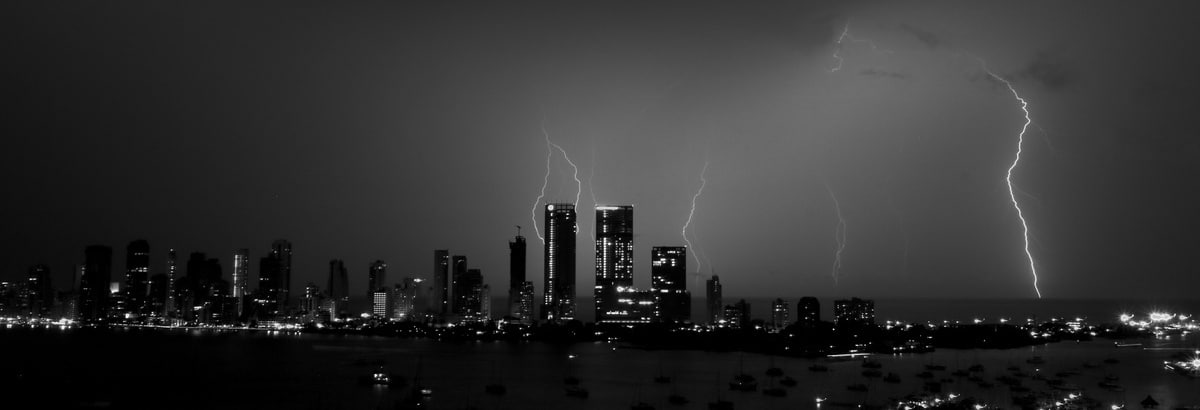
Severe convective storms develop rapidly yet intensely, potentially bringing together torrential rain, large hail, violent wind gusts, intense electrical activity, and even tornadoes. Although they typically affect relatively small areas, they pack immense destructive power.
It’s precisely this localized nature that led them to be regarded for decades as a secondary risk compared to more devastating catastrophes, such as tropical cyclones or earthquakes. Today, however, that classification has largely lost its relevance. Recent industry reports agree that these types of events account for a growing share of insurance claims related to weather-induced losses.
The data published by Swiss Re reflects this evolution. In 2023, insured losses reached 72 billion dollars, the highest record in the historical series. The following two years didn’t fall below 50 billion: they were 54 billion in 2024 and 51 billion in 2025, reflecting a trend that is beginning to consolidate.
Why is this happening?
Studies don’t point to a single cause and suggest instead the combination of several factors that reinforce each other.
The first is related to exposure to risk. There are more and more homes, companies, logistics centers, and infrastructures located in vulnerable areas. The widespread use of rooftop solar panels, outdoor equipment, and large glass surfaces means that a hailstorm can now cause a far greater economic impact than it would have two decades ago. Compounding this is the rising value of insured assets and the sharp increase in reconstruction costs.
Climate change is also part of the equation. Scientific studies show that as the atmosphere warms, the air can hold approximately 7% more water vapor for every additional degree of temperature. Consequently, more moisture is available to fuel heavy rainfall, making some precipitation events more intense.
A global trend
The effects of this shift are visible in major insurance markets. In the United States, severe convective storms have recently generated insured losses comparable to those caused by major hurricanes. Swiss Re notes that, over the last five years, the number of events exceeding $1 billion was 44% higher than in the preceding five-year period.
Europe is no exception. Insured losses from severe convective storms in the region are estimated to be growing at a rate of nearly 10% annually, making them the primary driver of rising weather-related losses. The hailstorms that struck northern Italy in the summer of 2023—featuring hailstones up to 19 centimeters in diameter—illustrate the intensity these storms can reach.
This trend is part of a broader shift. Economic losses associated with secondary or “non-peak” perils—a category that includes convective storms, floods, and wildfires—have more than tripled since the turn of the century; meanwhile, the volume of inflation-adjusted insured losses has risen from an annual average of 13 billion dollars between 2000 and 2004 to 84 billion dollars over the last five years, according to data published by Munich Re.
Rethinking risk management
For companies, the problem isn’t limited to direct damage caused to buildings, machinery, or inventories. The repetitive nature of these events increases the risk of activity interruptions, affects suppliers and logistics operators, and can compromise business continuity even when the main facilities are barely affected.
Prevention thus takes on a leading role. Urban planning, the use of more hail and wind-resistant materials, adaptation of construction codes, and better territorial management significantly reduce vulnerability.
At the same time, there remains ample scope to increase insurance penetration, especially in regions where the protection gap continues to be high.
Severe storms will rarely have the media impact of a major earthquake. But everything indicates that they will condition the evolution of natural catastrophe losses in the coming years, forcing the insurance industry and companies to adapt to an increasingly complex reality.