AI’s transformative potential in climate change

AI’s transformative potential in climate change

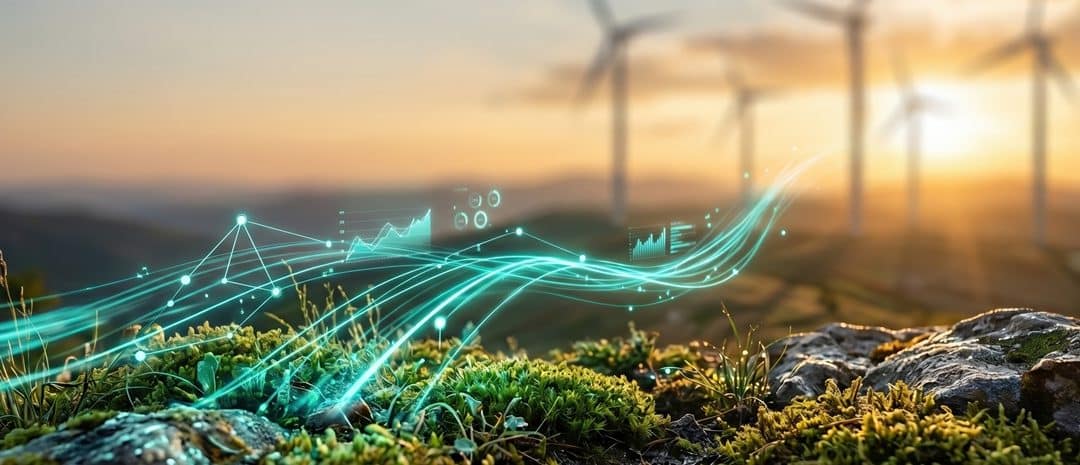
There is much debate about the environmental impact of AI, especially due to its high energy consumption. On the flip side, it’s also true that, when deployed well, AI can be a strategic lever in optimizing the use of energy, reducing emissions, and managing...

read more
Aerosols: The Overlooked Variable in Climate Change

Aerosols: The Overlooked Variable in Climate Change

When we talk about climate change, carbon dioxide, methane, and other heat-trapping gases immediately come to mind. Yet there’s another family of particles – tiny, volatile, and largely forgotten – that played a major role decades ago: aerosols. These microscopic...

read more
Tunnels: invisible infrastructures that move the world

Tunnels: invisible infrastructures that move the world

When we think of great engineering works, we often imagine colossal bridges, endless highways, or monumental dams. However, there are infrastructures that, although hidden underground, are just as essential for the operation of our cities and territories: the tunnels....

read more
Biomimetics: nature as a teacher of civil engineering

Biomimetics: nature as a teacher of civil engineering

Every form, nexus, and movement in nature serves a purpose. In its apparent chaos, it hides the secret of its survival. Biomimetics, a science that draws inspiration from flora and fauna, allows us to find efficient responses in civil engineering, addressing the...

read more
Flow batteries: the great hope for renewable energy

Flow batteries: the great hope for renewable energy

As an alternative to lithium batteries, flow batteries, or redox flow batteries, are cleaner, safer, and much more durable, although they’re currently more expensive and less efficient, as they require greater space to store the same amount of energy. Spain leads...

read more