28/04/2026
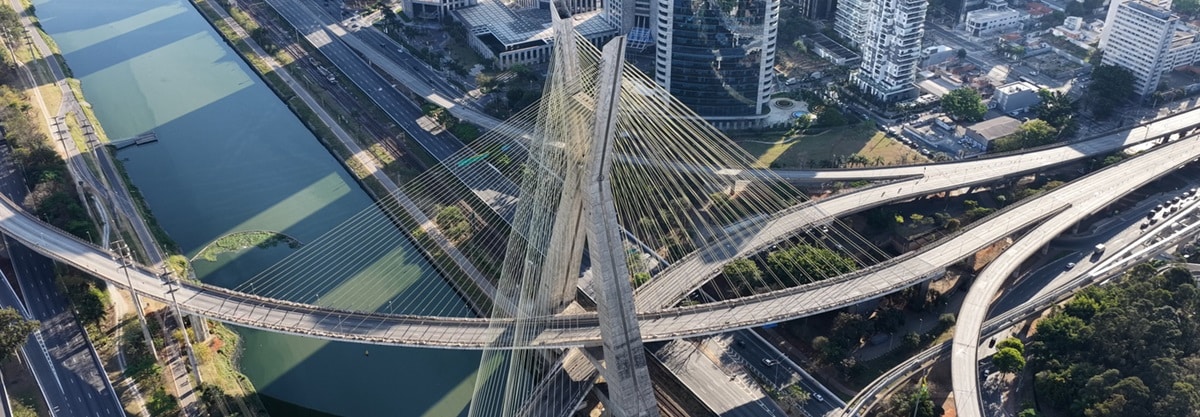
The metropolis of São Paulo is much more than the economic center of Brazil and much of Latin America. Its size, enormous population, and role as the country’s financial engine have made it an epicenter of opportunity, but they also place it at a crossroads of multiple risks.
São Paulo has a very high demographic density: more than 22 million people live in its metropolitan area. But, beyond the typical challenges that come with being a megacity, which include inequality, housing, and employment, to name but a few, it faces a series of growing threats in technology, environment, and critical infrastructure.
The population dimension, combined with socioeconomic inequality, poses a significant risk in the city. Historically, the city has been the subject of massive internal migrations that put pressure on housing, public services, and employment. The most vulnerable sectors of the population suffer greater exposure to adverse events ranging from structural insecurity to poor access to health and education.
Certain problems related to social exclusion and lack of opportunities have had a strong impact on daily life. In 2025, the city suffered a series of bus attacks that forced the deployment of a wide-ranging police response. Although São Paulo has invested heavily in surveillance systems like Smart Sampa, with tens of thousands of cameras, which resulted in arrests, these initiatives have also sparked controversy due to the impact they’ve had on civil rights and privacy.
Risks arising from economic concentration
São Paulo is the financial capital of Brazil, so it’s home to the country’s stock exchange, financial institutions, its main banks, business centers, and a good part of the country’s fintechs. Its strategic position in this area is both a strength and a critical point of vulnerability.
Last year, Brazil suffered the largest cyberattack in the history of its financial system. It originated in a São Paulo-based software provider and ended up diverting millions of reais via fraudulent transactions. This episode exposed the fragility of the technological ecosystem and the economic and reputational consequences that a security failure entails.
Brazil is one of the countries most affected by cyberattacks in Latin America. According to the 2025 annual report from FortiGuard Labs, the country was the target of 84% of all attack attempts in the region during the first half of the year. The Brazilian authorities have recognized this growing threat and announced a series of measures to tighten the regulation of the financial system, with the goal of reducing risks within the banking and payments system.
Critical infrastructure stress
The backbone of any city is its critical infrastructure: the electricity system, water supply, urban mobility, and health services. In São Paulo, these networks are constantly under pressure and are susceptible to structural failures and external impacts. In December 2025, a large extratropical cyclone struck the metropolitan area, causing a power outage that affected more than 2 million customers. Additionally, the interruptions impacted the pumping of drinking water and airport operations, causing the cancellation or delay of hundreds of flights.
The city’s water supply is also a recurring cause of concern. Since the drought that affected Brazil between 2014 and 2017, water cuts have become a tangible threat to urban life and the local economy. Likewise, the São Paulo Climate Secretariat recently warned about the risk of losing up to half of the city’s available drinking water due to pollution.
Natural disaster threats
Due to its geographic location, São Paulo is exposed to very diverse climate events. These events, ranging from from torrential rains to hurricane winds, have increased in frequency and intensity as a consequence of climate change. An example of this was the intense rains in February 2023, which caused floods and landslides on the northern coast of the state, devastating infrastructure and leaving dozens of fatalities in their wake.
Other more recent severe climate phenomena have sparked the debate about the need for better urban planning with a climate focus and greater investment in resilient infrastructure, including early warning networks or more efficient drainage systems, as noted by the Inter-American Institute for Global Change Research (IAI). Moreover, the complex risk map arising from the combination of traffic-related air pollution, extreme temperatures, and unusual rainfall requires a multi-sectoral and coordinated response.
Managing the complex through governance
Managing all these risks demands solutions that integrate different levels of governance, civil society, and the private sector. However, the urban complexity of São Paulo ––marked by its density, inequality, and the multiple risk lines that cross it— makes governance a particularly delicate exercise.
According to UN-HABITAT, there are already some important examples of how the city is responding to these threats, which include resilience-oriented projects such as critical zone maps, social support networks, early warning systems, or investments in sustainable transportation, among others.
It’s worth remembering that the challenges facing São Paulo are numerous and go beyond technology and infrastructure. As such, it’s imperative to rethink both economic models and social models in order to reduce the vulnerability of marginalized groups. In parallel, protection mechanisms against emerging threats like cyberattacks or climate change need to be strengthened, so as to reinforce the security of this immense city.