11/06/2026
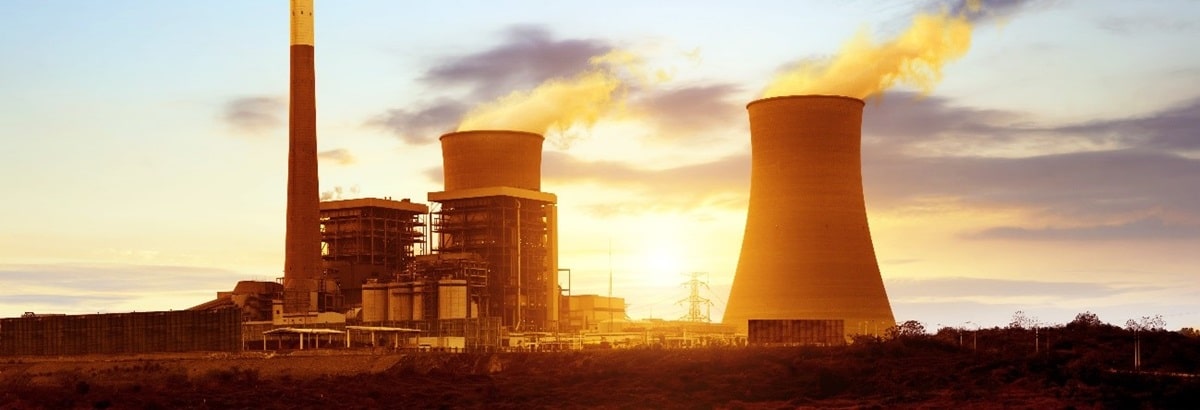
Ensuring safety is one of the greatest challenges of nuclear energy. From plant design to waste management and emergency response, the sector applies strict protocols to minimize risks.
Nuclear energy is the subject of worldwide debate between those who defend its capacity to generate electricity continuously and without direct CO2 emissions and those who warn of the risks it poses to people and the environment. The Nuclear Security Technical Directorate of the Nuclear Security Council (CSN) explains what these risks are and how they are managed.
Although nuclear energy presents high levels of safety, “zero risk does not exist in any context.” And, despite the “probability of serious accidents being very low,” its potential consequences justify the need to apply very strict preventive and control measures.
In this regard, the CSN points out that the main risk associated with nuclear energy is radiological, stemming from a possible release of radioactive material that could affect people and the environment, even catastrophically, as occurred with the Chernobyl accident in 1986, and again at Fukushima in 2011.
Security measures
The life cycle of a nuclear facility, from its design to decommissioning, is subject to very demanding regulations that are implemented from the earliest stages of a project. Each stage is subject to controls overseen by national regulators and must comply with international safety standards drawn up mainly by the International Atomic Energy Agency (IAEA).
Site selection constitutes one of the first safety elements and is based on specific studies of geology, seismicity, climatology, and population density in the area.
The design and construction of the facility are governed by the so-called “in-depth defense” principle, which involves multiple physical barriers and redundant security systems intended to prevent incidents and mitigate their consequences if they were to occur. “In this way, accidents with radiological consequences that could impact workers, the public, and the environment are extremely unlikely,” state the experts.
The operation of the nuclear facility is carried out by specially qualified and authorized personnel under official authorization. Additionally, other specialist professionals participate in the operational activity after having gone through training and supervision programs conducted by the regulatory bodies.
Operation of a nuclear plant is carried out in line with strict operating procedures, preventive maintenance protocols, quality controls, and periodic inspections that are conducted both by the facility owner and by the competent authorities. “The operation of the facility by personnel who are adequately trained in nuclear safety and radiation protection allows any work to be carried out safely,” states the CSN.
Managing radioactive waste
Another fundamental aspect of safety and risk management in nuclear energy is the treatment of radioactive waste, which “is carried out within a regulated and long-term planned framework.” The waste is classified according to its level of activity — low, medium, or high — and undergoes different processing and storage solutions depending on its technical characteristics.
In an initial phase, waste remains temporarily stored in facilities specifically designed to guarantee isolation and surveillance. Subsequently, definitive solutions are developed for long-term management. Additionally, high-activity waste can undergo vitrification processes to facilitate safe storage.
To reduce the volume of waste and reuse the fissile materials, certain countries carry out closed-cycle strategies, such as reprocessing spent fuel, which involves separating the uranium and plutonium contained in the fuel to reuse them in a new nuclear fission process in power plants. Additionally, high-activity waste generated is vitrified for storage.
Currently, work is also being done on the so-called advanced closed cycle, based on the transmutation of minority (long-life) actinides and certain fission products, with the aim of reducing radiotoxicity before final storage.
Accident prevention
Together with safe design and the work of qualified professionals, the radiation protection regulations establish strict limits on radiation exposure for both workers and the environment. “In accordance with these limits, operators of the facilities incorporate radiological and dosimetric monitoring systems, continuous training, and work procedures designed to minimize exposure to workers,” explain the Technical Directorate of Nuclear Safety of the CSN. Similarly, there are effluent control and surveillance systems, as well as environmental monitoring networks capable of detecting any radiological anomalies.
This is complemented by ongoing security analyses to identify possible failures and introduce better organizational techniques in operating systems and procedures.
In the event of an accident, the established protocols include the implementation of a facility’s internal emergency plans and, if necessary, the activation of the external emergency plans, in coordination with the relevant authorities.
Scheduled action items include immediate communication to the regulatory body, adoption of technical measures to control the situation at the central office and, if necessary, application of population protection measures, such as public information, confinement, or access restrictions. “The entire process is accompanied by continuous radiological monitoring until the situation is normalized,” adds the CSN.
International cooperation
International cooperation is another fundamental pillar of nuclear safety and is articulated through the participation of operators, governments, and regulatory bodies in international agreements and programs, such as the Convention on Nuclear Safety, as well as through institutions like the IAEA and the Nuclear Energy Agency (NEA).
Bilateral relations between regulatory bodies from different countries and peer review mechanisms are also essential, as they allow for the sharing of operational experiences, technical information, and best practices. “Within the framework of this international cooperation, countries participate in peer review processes, where technical information and experiences are exchanged that contribute to the harmonization of criteria, with the common objective of raising security standards globally,” confirms the national body.
However, “the future of nuclear energy safety is oriented toward the continuous improvement of processes that impact safety by incorporating lessons learned from national and international operational experience and the constant updating of regulations,” assures the CSN. In parallel, the sector increasingly reinforces aspects such as the human factor, the culture of security, and information transparency, considered key elements to maintain high levels of social protection and social trust.
Article collaborator:
 The Nuclear Safety Technical Directorate of the Nuclear Security Council (CSN) is the sole competent body in Spain in the field of nuclear safety and radiation protection. It is a public institution independent from the General State Administration, of legal stature and with its own assets, governed by its Statutes and accountable to the Congress of Deputies and the Senate.
The mission of the CSN is to protect workers, the general population, and the environment from the harmful effects of ionizing radiation, ensuring that nuclear and radioactive installations are operated safely by their owners and establishing measures to prevent and respond to radiological emergencies, regardless of their origin.