18/06/2026
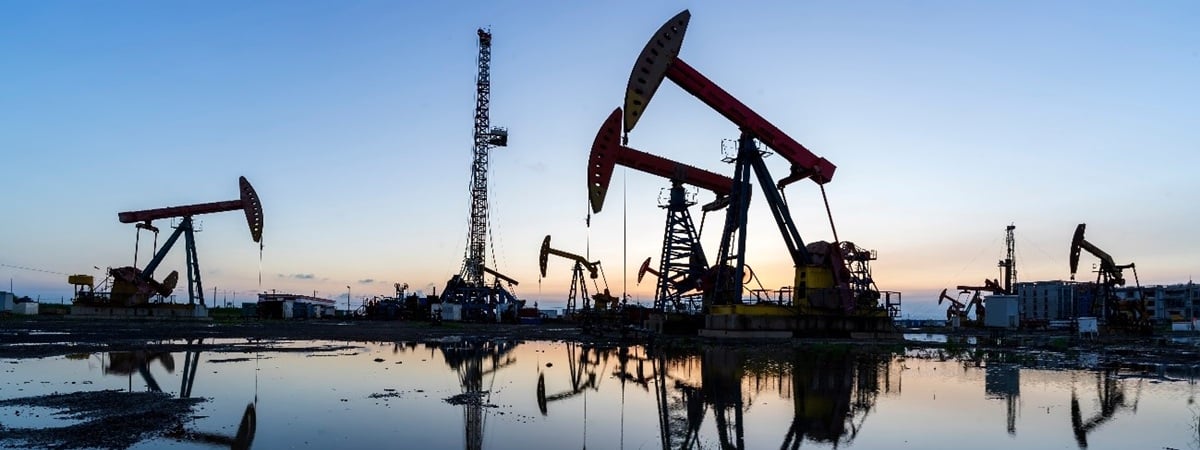
Oil and gas production takes place in highly complex environments, involving a wide range of technical, logistical, financial, and safety challenges. As a result, the sector operates under a strict regulatory framework which, together with technological advances, helps ensure that the entire value chain runs as efficiently and safely as possible.
The complexity of these operations exposes companies to high-severity risks, both in terms of potential damage to assets and people and their environmental and economic consequences. Among the most significant hazards—particularly during drilling and extraction—are large-scale fires and explosions. These involve highly flammable substances that, in the event of technical errors, equipment failures, or human error, can lead to major accidents. As a reminder, a tragedy occurred in 1984, when explosions at a petroleum storage and distribution facility in San Juan Ixhuatepec (Mexico) caused more than 500 deaths, making it one of the worst industrial disasters in history.
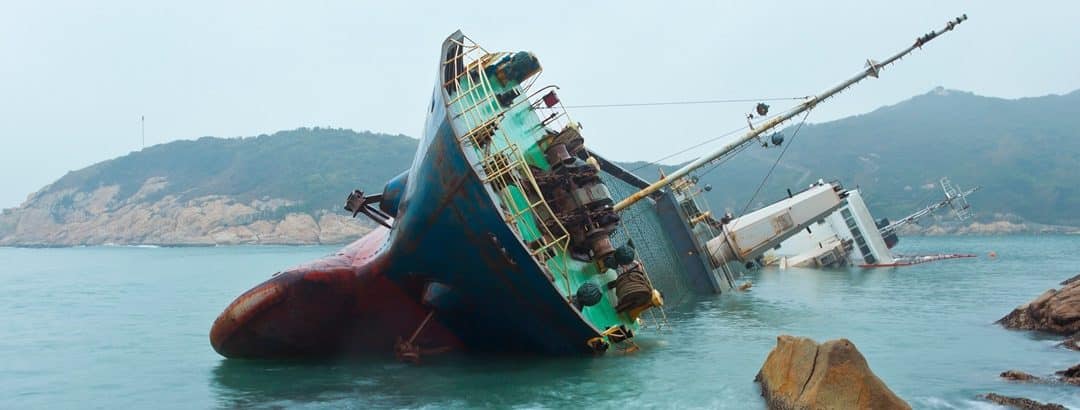
Such incidents can also trigger oil spills or gas leaks. Prolonged or intense exposure to these substances can lead to serious health conditions, while their environmental impact can be devastating. In fact, the largest oil spill on record followed the explosion of the Deepwater Horizon platform in the Gulf of Mexico in 2010, which released nearly 800 million liters of crude oil.
Geopolitical conflicts
Other significant risks, especially due to the geopolitical location of many facilities and pipelines, are terrorist attacks and armed conflicts that put the entire process at risk.
In this context, it would be remiss not to address the consequences of the escalation of tensions in the Middle East. The International Energy Agency (IEA) has warned that the world could be entering the biggest energy crisis in modern history. This conflict has increased the risk of disruptions to global oil supply and has endangered up to 20% of the global supply of liquefied natural gas (LNG) as a result of the partial closure of the Strait of Hormuz.
This blockade, along with infrastructure damage, such as Qatar’s LNG facilities, would reduce expected supply growth. It would also delay by at least two years the expected global expansion of this product, according to the latest IEA gas market quarterly report. The combined effect of short-term supply losses and lower capacity growth could result in a cumulative loss of around 120 billion cubic meters of LNG by 2030.
Intense regulation
To prevent and control these risks, the oil and gas sector is heavily regulated by industrial safety regulations, both internationally and in the different countries where any of its processes take place. These strict regulations determine everything from the location of an extraction site to how substances are transported and handled. International treaties and cooperation programs are added to the regulations, which help preserve the security of the sector.
All these regulations have clearly evolved over time. Decades ago, the focus was more centered on maximizing production and preventing, detecting, and assessing risks to avoid accidents. Later came some pioneering treaties, such as the 1969 International Convention on Civil Liability for Oil Pollution Damage, which focused on ensuring adequate compensation for victims of oil spills.
However, in recent years, especially following the Paris Agreement and the ratification of the United Nations Sustainable Development Goals in 2015, a framework has been established in which the environmental impact and the social responsibility of companies have gained significant prominence. This has largely come about as a result of the major ecological disasters that have occurred in recent times and the global fight against climate change.
Technology that services security
One of the most urgent challenges in the oil and gas sector is the global push toward the energy transition. The industry is exploring clean energy pathways and low-carbon fuels to comply with environmental regulations and address the challenges of this transition.
As part of this process, innovation and technology are both playing a fundamental role, not only to advance new, more sustainable models, but also to improve the mitigation techniques being applied to the threats the sector is subjected to. These advances facilitate continuous monitoring, security checks, and remote data analysis that reduce risks and improve operational efficiency.
This way of working is far removed from that of decades ago, when oil fields and gas facilities depended almost entirely on manual labor, with a lot of on-site fieldwork, visual inspections, and individual records that were difficult to integrate. Incidents were managed reactively, when they had already occurred or were imminent, with very little room to anticipate or avoid them.
The specialization of work and investment in equipment in recent decades have produced a significant improvement in productivity and the sector’s security levels, and technology has played a decisive role in this. That’s why where inspections, monitoring, and maintenance were previously carried out manually, today’s automated, robotic, AI and IoT solutions are not only more agile but also allow for the prevention and anticipation of risks, locating viable deposits, identifying failures, anticipating revision of equipment, and reducing downtime.
Additionally, sensor automation and the use of software allow for real-time data analysis to manage upstream exploration and production processes. Its widespread application in the industry is such that the market value of oil and gas automation technology is expectged to reach around 28 billion dollars by 2032.
Cyber control
Despite all these benefits, the industry must carefully manage the new risks and challenges associated with digital technologies, especially those arising from cyberattacks.
As the automation of facilities and connectivity between networks have increased, cyberattacks against enterprise control and monitoring systems have become a major threat to their operational security and have fueled espionage and security information theft. The impact is so great that in Latin America alone, energy sector infrastructure systems (mainly gas and oil) account for 27% of attacks.
As such, controlling these threats is essential, given that the adoption and integration of digital technologies will be key to the future of the oil and gas industry, driving efficiency, security, and sustainability in a volatile market, which is itself immersed in transition and heavily influenced by geopolitical factors and great regulatory pressure.