24/11/2026
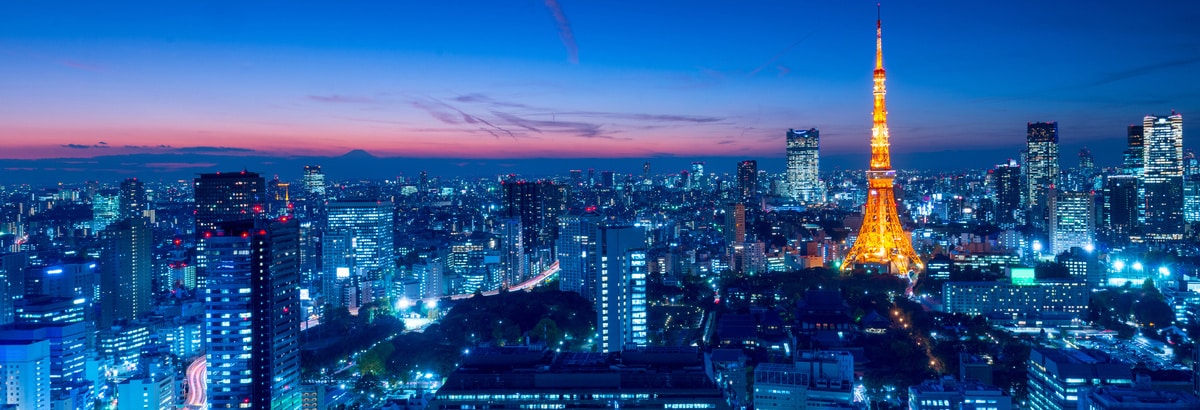
With more than 37 million inhabitants in its metropolitan area, Tokyo concentrates Japan’s essential infrastructure. Its exposure to earthquakes, floods, and extreme weather events poses challenges for the protection of both people and urban services.
In addition to being one of the most populated cities in the world, Tokyo is home to government institutions, businesses, hospitals, research centers, and an extensive rail and metropolitan transport network. Protecting these assets, along with the high tourism activity, requires coordinating the actions of the local and national authorities, emergency services, and communication networks. Although Japan has a low crime rate, Tokyo is exposed throughout the year to various natural disasters, as warned by the Spanish Ministry of Foreign Affairs. To monitor possible emergencies, the Japanese capital provides its citizens with a portal where they can access a map with all the available weather information in real time.
Additionally, the metropolitan government has prevention plans, alert systems — such as an official application that helps residents and visitors prepare for and respond to emergencies — evacuation protocols, and citizen preparedness programs. The resilience strategy includes specific measures against earthquakes, floods, storms, volcanic eruptions, and critical infrastructure disruptions.
The major earthquake: a threat to the capital
Japan is preparing for a scenario known as Shuto Chokka Jishin, a major earthquake that could occur directly beneath the capital region. Although it’s not possible to predict when it will occur, Japan’s authorities estimate that there is an approximate 70% probability of an earthquake of magnitude 7 or higher occurring in the south of Kanto within the next 30 years. This scenario constitutes one of the main pillars of Tokyo’s emergency planning.
Official estimates published in 2022 identified significant risks of building collapses, fires, road damage, and disruptions to basic services. For a magnitude 7.3 earthquake scenario in Southern Tokyo, the metropolitan government estimated more than 6,000 deaths, around 194,000 damaged buildings, and approximately 3.0 million evacuees. Although these figures correspond to a simulation scenario and not to a prediction of future damages, authorities have developed strategic plans to reinforce the protection of the capital and its inhabitants in the long term, working on a horizon of 100 years.
The experience of the great Hanshin-Awaji earthquake of 1995 and the Tohoku earthquake and tsunami of 2011 has reinforced the importance of preparation and operational continuity. In Tokyo, prevention measures include strengthening the seismic resistance of buildings, reducing the risk of fires in vulnerable neighborhoods, securing furniture, and preparing supplies to cope with prolonged disruptions.
Urban flooding and typhoons
Tokyo is also exposed to torrential rains, typhoons, and large flood areas. Its coastal location, with rivers and low-lying areas, and the concentration of infrastructure in urbanized areas generate different types of risks: from the overflow of canals to rain flooding and cyclonic tidal waves in the bay. Climate change adds pressure on the city, by favoring more intense rainfall episodes and contributing to the rise of sea levels. One of the most recent episodes was typhoon Hagibis in 2019, which caused several rivers to overflow and damaged much housing, as well as producing exceptionally heavy rains in the region. Although the typhoon caused significant damage, the flood control measures designed to cope with extreme rainfall proved effective in the city’s metropolitan area.
In light of this exposure, authorities are working on improving channels, building more water regulation deposits, and expanding the capacity of drainage systems. Tidal protection measures are also being developed, including gates, dikes, and pumping stations, which are especially important in coastal areas and low-lying lands.
Extreme heat and climate change
Rising temperatures are another pressing challenge for a densely urbanized metropolis like Tokyo. The concentration of buildings, asphalt, and surfaces that retain heat favor, as in other large cities, the island effect of urban heat, which can cause some areas to maintain high temperatures even overnight. Prolonged heat waves increase the risk of dehydration and heat stroke, especially among vulnerable groups.
The Japan Meteorological Agency monitors temperatures and climate trends, while local authorities promote urban adaptation measures, in line with long-term strategic resilience plans. Among them are the expansion of green spaces, the creation of shadow zones, improving the energy efficiency of buildings, and publishing health recommendations during intense heat episodes.
The main challenge consists of integrating these measures into the planning of a dynamic city that is vital to the country’s overall economy, and which welcomes millions of visitors every year, the operation of which depends on complex transport networks and an elevated and constant electricity supply. Climate adaptation isn’t just a matter of public health – it poses a serious challenge in terms of how to manage essential services and ensure the continuity of economic activity.
Tokyo’s dimensions are such that it’s necessary to take the concentration of people at railway stations, shopping areas, or tourist spaces into account. The interruption of transportation or communications can generate significant difficulties even when there is no serious structural damage, which is why emergency planning includes public information protocols, inter-agency coordination, and measures to assist people who are temporarily isolated or unable to return home.