15/01/2020
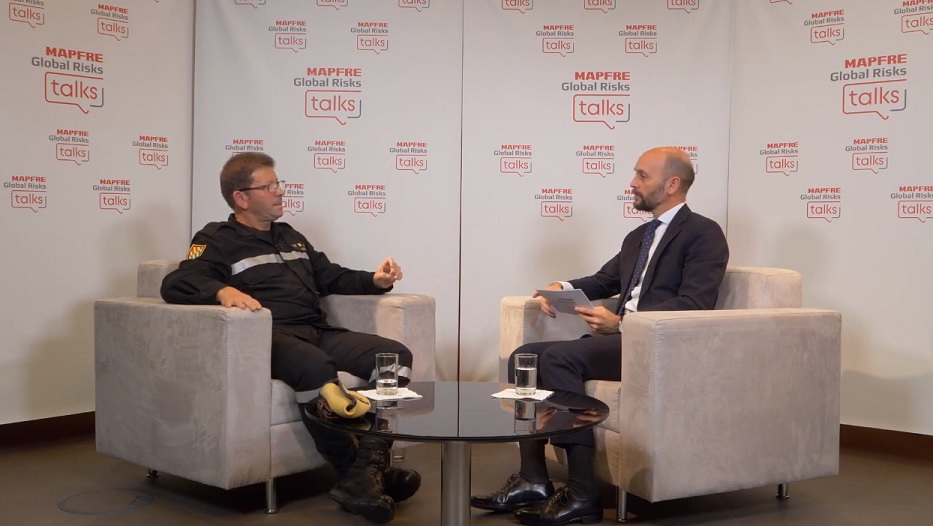
In a conversation between the CEO of MAPFRE Global Risks, Bosco Francoy, and Lieutenant Colonel Jorge Serra, head of External Relations for the Military Emergencies Unit (MEU), they explain how the MEU operates in the face of different natural disasters where its intervention is required, clarifying the reasons why this military unit has earned the invaluable prestige our society endows it with.
The mission of the Military Emergencies Unit (MEU) is to intervene as quickly as possible in cases of serious risk, disaster, calamity or other emergencies, and it is currently considered a leader in its field, both nationally and internationally.
In this video interview, conducted by the CEO of MAPFRE Global Risks, Bosco Francoy, Lieutenant Colonel Serra comments on the way this prestigious military unit operates and its peculiarities.
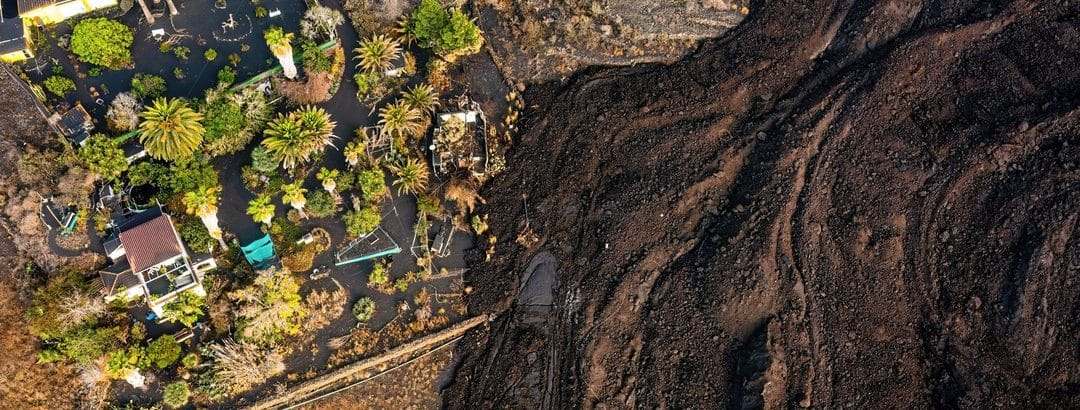
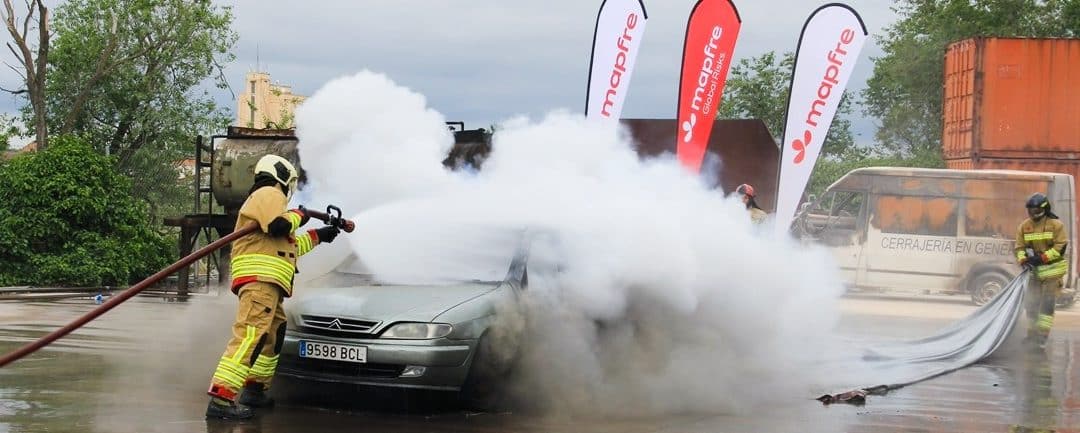
“We don’t train for combat, although we are all part of the military; we train to deal with fire, water, snow, and earthquake disasters,” explains Lt. Colonel Serra, events to which technological and environmental emergencies can be added and that, in his opinion, will be those that generate the most demand in the future.
In addition, the MEU also fulfills a valuable education and training mission in the areas of fighting flooding, fires and earthquakes, as it shares its knowledge in the field with different countries in Europe and Latin America.
This interview is part of a series of talks on relevant issues in the field, called MAPFRE Global Risks talks, which aims to promote knowledge and the dissemination of best practices in Major Risk management.
We share the full version along with a general summarize from the video interview