09/02/2026
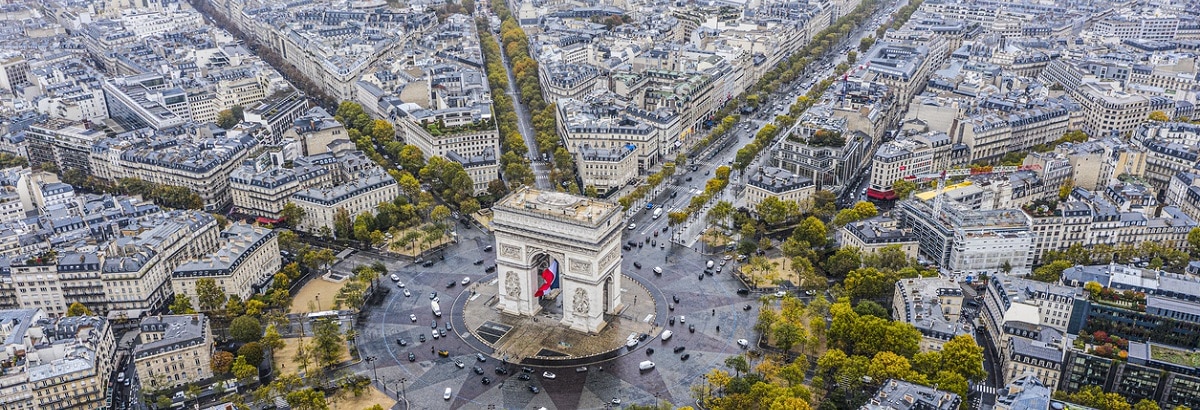
Paris is a historical example of how urban planning and public investment can largely determine the well-being of citizens. However, despite being one of the major European capitals, it’s not exempt from climate risks, social risks, and economic risks.
Throughout its history, the City of Light has pioneered the adoption of innovative measures: from the urban restructuring driven by Haussmann and the Belgrand sanitation networks, to the most recent initiatives to address heat waves, such as climate shelters, the expansion of green areas, and traffic restrictions. Nevertheless, despite these advances, the French capital today faces a growing set of threats that require coordinated policies and sustained resources.
Extreme heat: a growing risk
Heat waves —increasingly intense in much of Europe— have a particularly high human and health impact in Paris. Official records attribute thousands of deaths to extreme heat episodes, in addition to tens of thousands of queries and hospitalizations linked to high temperatures. The figures show that climate adaptation remains a challenge.
France’s national meteorological services warn of a clear trend: global warming will cause more frequent, more severe, and longer heat waves throughout French territory and, notably, in the Paris region. This is compounded by associated effects such as the increase in urban thermal stress, the rise in energy demand for cooling, and the added pressure on hospitals and primary care centers.
Supply chain crisis
Growing demand for energy can manifest itself in both consumption peaks and one-off blackouts. Paris must prepare for both scenarios, and it’s not the only critical resource with associated risks.
Water poses a challenge for two reasons. Heat is intensifying droughts, compromising the supply and various urban uses. A report from the Organization for Economic Cooperation and Development (OECD) warns of the high economic cost that a severe drought could entail, capable of jeopardizing the metropolitan economy.
Then there is the rain, which is brief but intense, and increases the risk of flooding of the river Seine, which can cause significant damage to infrastructure and assets. In fact, studies and regional authorities highlight these floods as one of the main natural risks in Île-de-France, underscoring the need for territorial plans, updated maps, and robust prevention measures. This dual water risk requires flexible infrastructures, integrated management among municipalities, and strategies to protect critical facilities against flooding.
Social and economic threats
Although Paris enjoys socioeconomic indicators that are higher than the national average, a significant part of its population lives in precarious conditions. According to official data from INSEE (National Institute of Statistics and Economic Studies of France) and the Paris Urban Planning Workshop (APUR), in 2021, 18.3% of the population of the greater Paris metropolitan area live below the poverty line, which corresponds to approximately 1.23 million people. In addition to this figure, there are about 260,000 additional people classified by INSEE as being in the poverty halo, which refers to individuals who aren’t officially below the threshold but live in severe economic difficulty. These groups are especially vulnerable to heat waves, supply failures, or the rising cost of living. Therefore, climate policies must include a solid social component: improved housing, equitable access to climate control systems, and support for community resilience.
Large investments in infrastructure provide clear benefits, but they also generate cost overruns and budgetary tension that can limit response capacity in the face of other crises. Currently, one of the largest projects is the Grand Paris Express, which aims to double the current size of the metro network and is the largest transportation initiative in Europe.
The city and the region also show sensitivity to shocks resulting from mass tourism, mobility, or volatility in the real estate market. To mitigate these risks, it’s essential to have sufficient financial reserves, prudently analyze the costs and benefits of critical infrastructures, and draw up operational continuity plans in essential sectors like transportation, tourism, or local trade.
What’s being done and what’s not being done?
Paris depends heavily on essential networks like health, energy, and transport. Continuity of life for Parisians may be compromised by cyberattacks, strikes, or failures in the coordination between state, region, and municipality. The administrative fragmentation of the metropolitan area requires joint emergency plans, but real operational capacity remains limited. Modernizing early warning systems and strengthening physical and digital protection of critical infrastructures is a priority.
The city has tools in place, including the Climate Plan, networks of climate shelters, flood risk maps, or meteorological and health surveillance devices. These instruments demonstrate its technical capacity, but also the need to expand resources, improve financing, and simultaneously advance in mitigation and adaptation.
The French capital is rich in history and it has the experience, and resources to adapt to changing times, but the risks intertwine and amplify: the extreme heat that hits the most vulnerable, the tensions in water supply and energy, the economic pressures that limit room for manoeuvre, or the operational challenges that demand more effective coordination. The big challenge for the city is to move from mere planning to sustained investment and ensure equitable protection.